





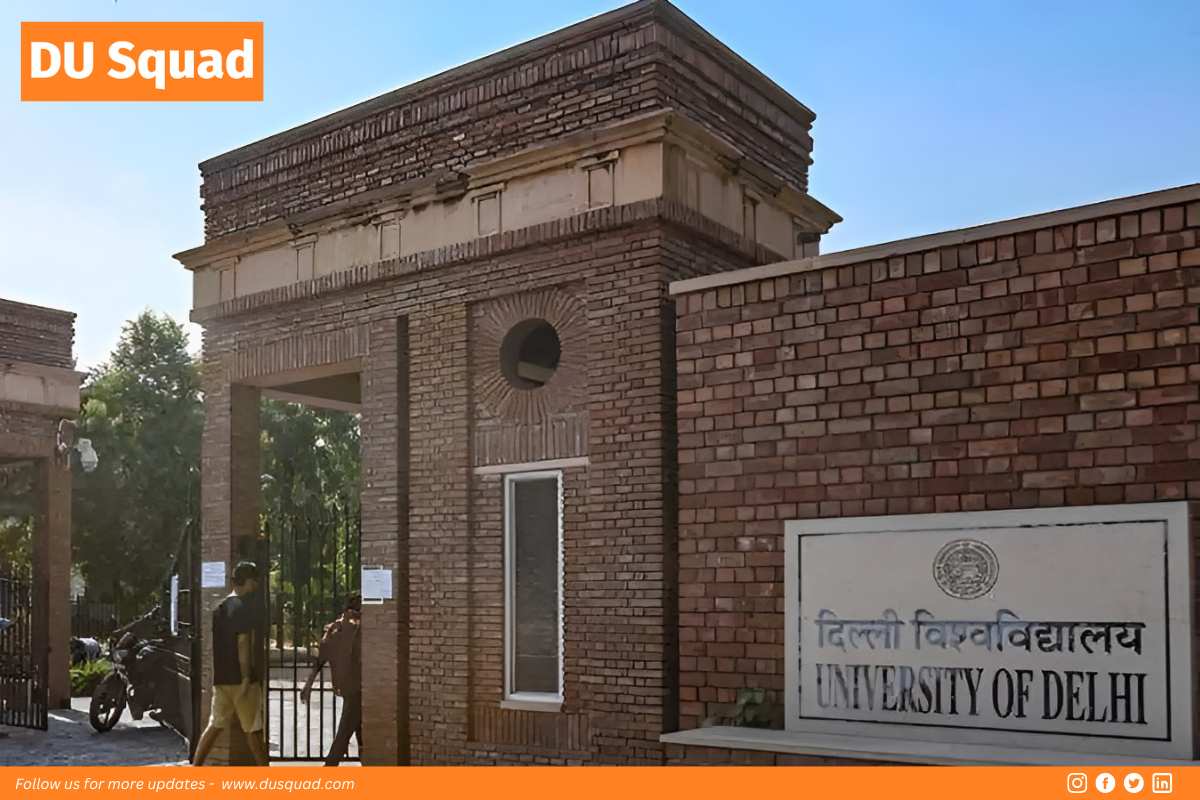

Hundreds of thousands of students from all over the nation and overseas enrol at Delhi University, often known as DU, each year, making it one of the most sought-after central institutions in India. With only three colleges when it began in 1922, DU has grown to include 90 associated colleges spread around the nation’s capital and is widely regarded as one of the top universities in the country. The admission process of Delhi University has constantly been evolving over the years.
The institution was established with only 750 students and has since evolved into one of India’s significant universities with 16 faculties, more than 80 academic departments, and more than 700,000 students in the roughly 100 years since that time. The University of Delhi now includes two main campuses: the North Campus and the South Campus. In addition, there are several off-campus colleges at Delhi University.
Nowadays the most common question among students is “How to take admission in Delhi University?”, “How much percentage is required for DU?” and many more questions like these. To solve all of their queries about DU admission, we have brought this article.
Courses Offered – Delhi University Admission
These are the several undergraduate and postgraduate programs that Delhi University’s colleges and departments offer. Students can enrol in these programs by following the admission process of Delhi University.
Bachelor of Arts (Hons) courses
| BA (Hons) Applied Psychology | BA (Hons) Arabic | BA (Hons) Bengali |
| BA (Hons) Business Economics (BBE) | BA (Hons) Economics | BA (Hons) English |
| BA (Hons) French | BA (Hons) Geography | BA (Hons) German |
| BA (Hons) Hindi | BA (Hons) History | BA (Hons) Patrakarita Evam Jansanchar |
| BA (Hons) Italian | BA (Hons) Journalism | BA (Hons) Music |
| BA (Hons) Persian | BA (Hons) Philosophy | BA (Hons) Political Science |
| BA (Hons) Psychology | BA (Hons) Punjabi | BA (Hons) Sanskrit |
| BA (Hons) Social Work | BA (Hons) Sociology | BA (Hons) Spanish |
| BA (Hons) Urdu | BA (Hons) Hindi Journalism and Mass Communication | BA (Hons) |
Other Bachelor of Arts (BA) courses
| BA Functional Hindi | BA Vocational Studies | Bachelor of Education (BEd) |
| BEd Home Science | BEd Special Education MR | B El Ed |
| BLIS | BPEd | BA Programme |
Bachelor of Science (Hons) courses
| BSc (Hons) Instrumentation | BSc (Hons) Anthropology | BSc (Hons) Biochemistry |
| BSc (Hons) Biomedical Science | BSc (Hons) Botany | BSc (Hons) Chemistry |
| BSc (Hons) Computer Science | BSc (Hons) Electronics | BSc (Hons) Food Technology |
| BSc (Hons) Geology | BSc (Hons) Home Science | BSc (Hons) Mathematics |
| BSc (Hons) Microbiology | BSc (Hons) Physics | BSc (Hons) Polymer Science |
| BSc (Hons) Statistics | BSc (Hons) Zoology | BSc (Hons) Biological Sciences |
| Other BSc courses | ||
| BSc (Genl) Mathematical Science | BSc (MT) Radiography | BSc (PEHES) |
| BSc Applied Life Sciences | BSc Applied Life Sciences with Agro-Chemical & Pest Management | BSc Applied Physical Science |
| BSc Applied Physical Science (Analytical Chemistry) | BSc Applied Physical Sciences (Industrial Chemistry) | BSc Home Science (Pass) |
| BSc Industrial Chemistry | BSc Life Sciences | BSc Physical Science |
| BSc Physical Education & Sports Sciences | BSc Physical Science Computer Science | BSc Physical Science with Chemistry |
| BSc Physical Science with Computer | – | – |
Bachelor of Commerce and other courses
| Bachelor of Elementary Education | Bachelor of Financial & Investment Analysis |
| BCom Programme | BCom (Hons) |
CUET Exam Pattern – DU Admission

CUET Examination is broken down into three sections.
- The first section is split into two sections, the first of which includes 13 languages and the second of which includes 20 languages. While applying for admission to Delhi University, candidates must appear in at least one language.
- Twenty-seven domain-specific subjects make up the entrance exam’s second section.
- The final section, which tests general knowledge, is only for applicants to BA programs.
Admission Procedure of Delhi University
There are numerous steps involved in the admission process of Delhi University, ranging from the selection of subjects to counselling and matching the final cut-off. For eligibility for admission to the University of Delhi, a candidate must take the CUET(UG)-2023 in the disciplines in which s/he is enrolled or has completed Class 12.
The admission process of Delhi University is divided into two phases, which have been summarised below:
Phase 1 – CUET Registration
- Registration on Samarth Portal
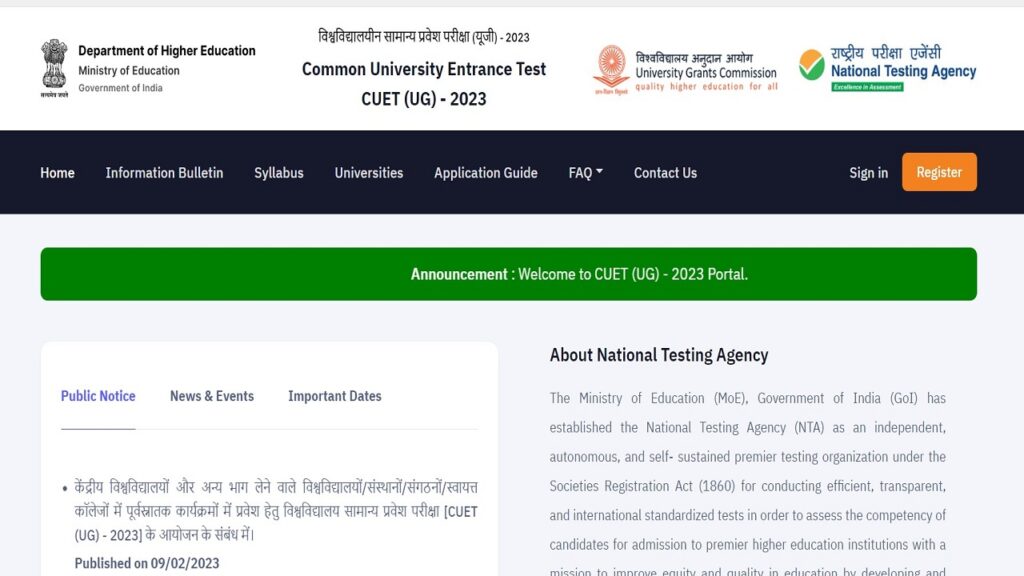
The first step in the admission process of Delhi University is registration on Samarth Portal, where candidates have to register for the CUET examination through the official website link – https://cuet.samarth.ac.in/
After registration on the portal with the required details, all the candidates have to fill out the application form and pay the nominal examination fee. For application-related or form-related queries or guidance, refer to the Information Bulletin as given by the National Testing Agency (NTA).
Ensure that you fill out the application form after clearly checking the details of the program and course-specific eligibility requirements; in case of any discrepancy or false information, your candidature from the admission process of Delhi University can be terminated.
- Filling out the Online Application Form
The next step in the DU admission process is filling out the application form. You need to submit the details and documents in three different parts. It is highly advised to read all the details given carefully and then fill out the form, as any discrepancy in the details submitted could lead to the cancellation of the candidature from the Delhi University admission procedure.
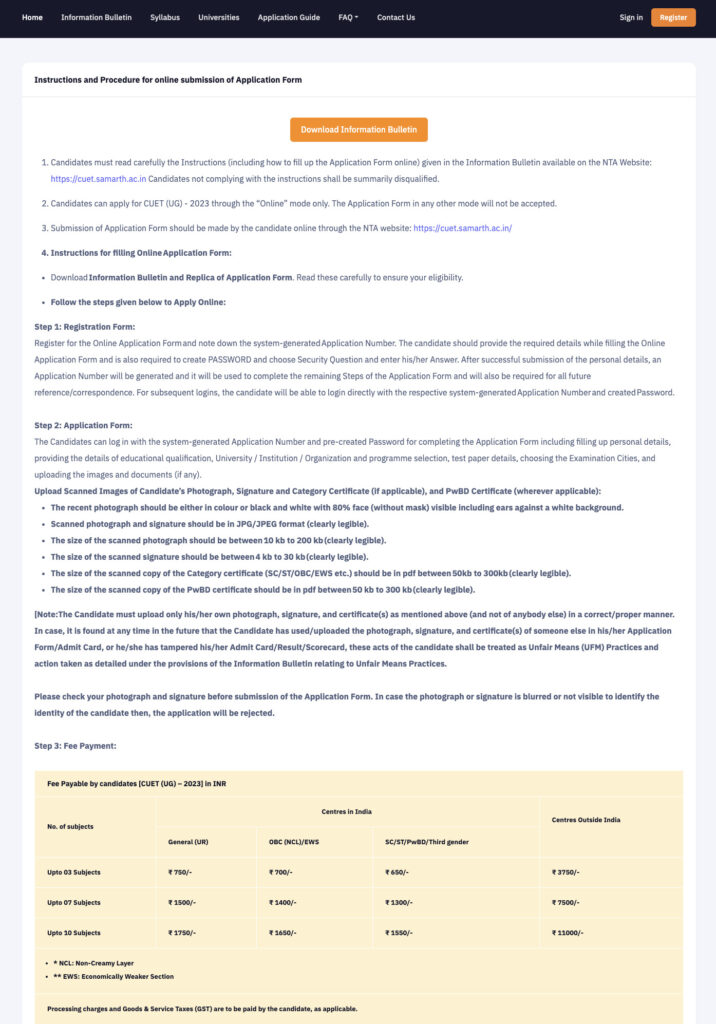
- Registration Form
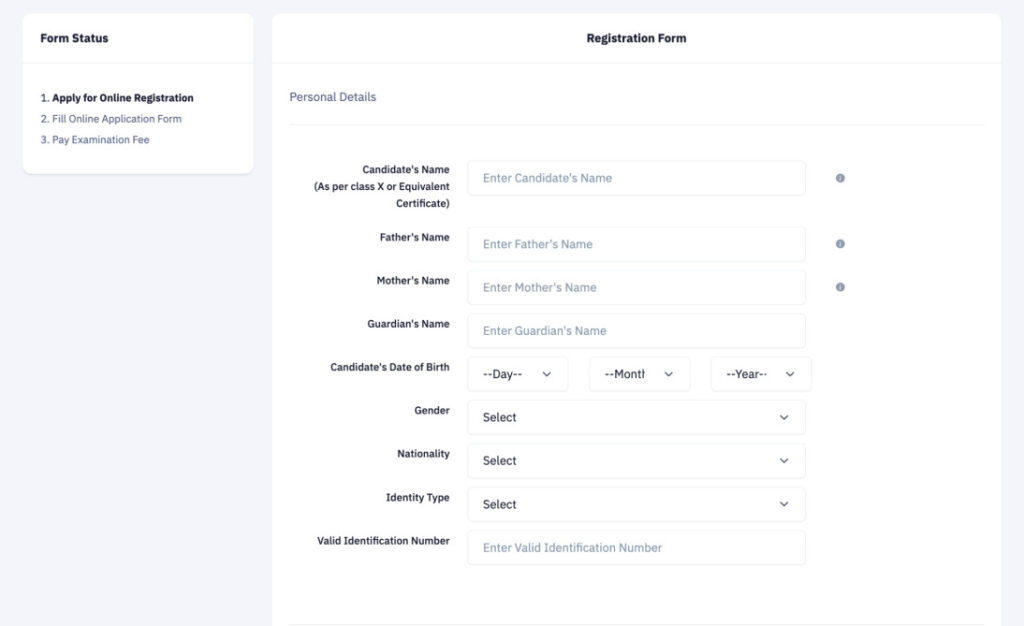
The registration form for the CUET exam for DU admission requires you to enter personal details (like name, gender, date of birth, nationality, etc.), present address, permanent address, and the creation of a password. Fill in all the details carefully and correctly as this would be used in further processes.
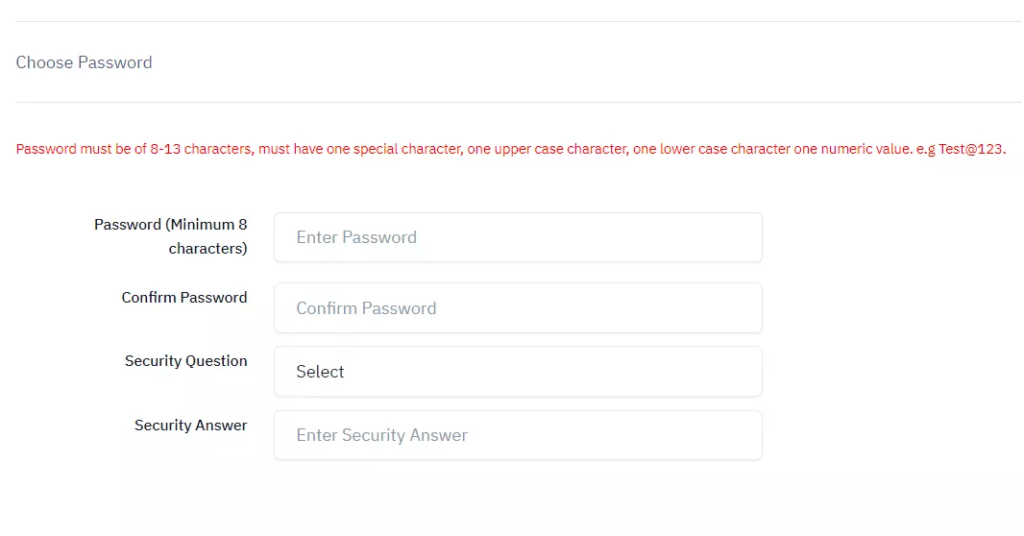
Make a password with between 8 and 13 characters that contain a special character, an uppercase character, a lowercase character, and a number value. For example, try Test@123. Choose a security question, then answer it. You will be given a security pin, so enter it in the specified space.

- Application Form
Further in the admission process of DU, a new page with the application number will appear when the registration form has been submitted, and an email with the application number will be sent to their registered email address.
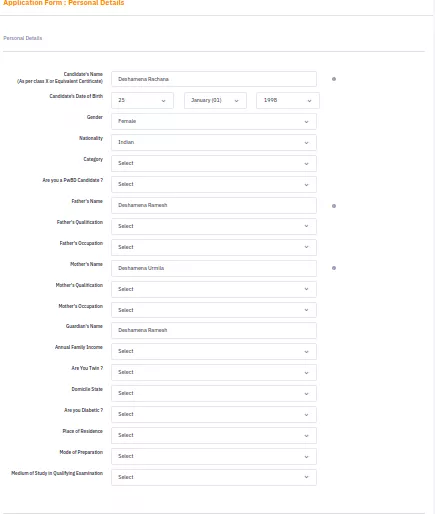
The application form for the CUET exam for Delhi University admission consists of sections like personal details (name, DOB, nationality, parent’s name, and occupation), present address, permanent address, disclosure of quota and category, qualification details (Class 10th and 12th), examination centre details, program selection, and paper(s) selection.
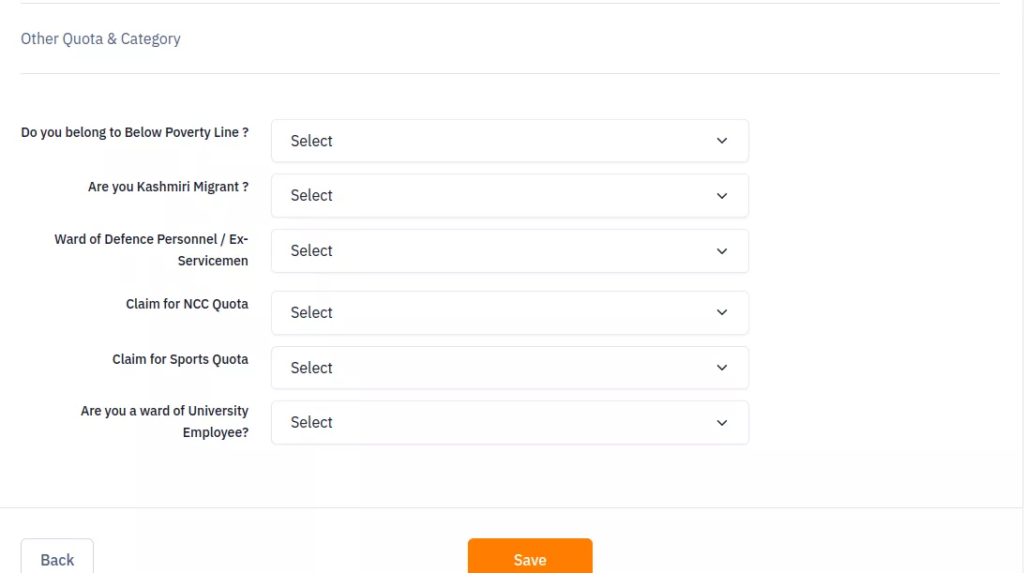
In the Other Quota and Category section, select “Yes” if you fall in any of the categories and select “No” if you don’t.
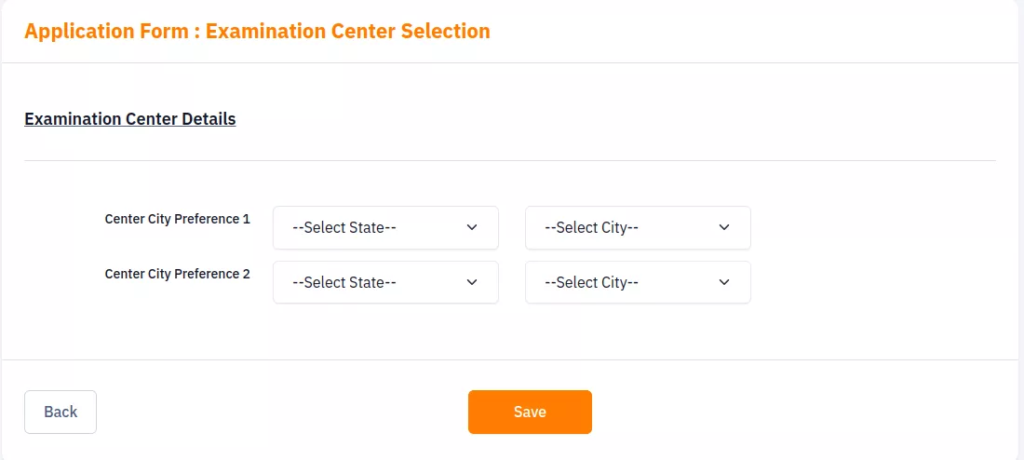
Applicants must select 2 test locations that work best for them.
Now, candidates must select their preferred University and program. These should be selected carefully after having clarity of courses and opportunities available in the University which aligns with your career interest.
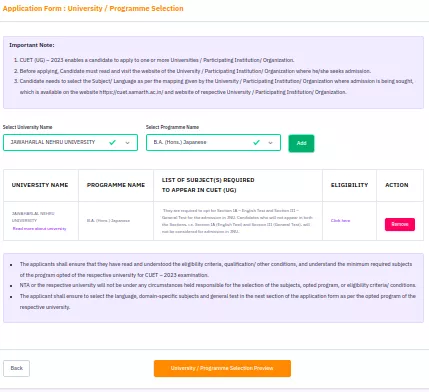
Look at the chart to discover how many language or domain-specific subjects applicants can choose from after reading the selection guidelines. According to the list of subjects provided in the information bulletin, a candidate may select a maximum of 10 subjects from each of the three parts.
- Uploading Documents
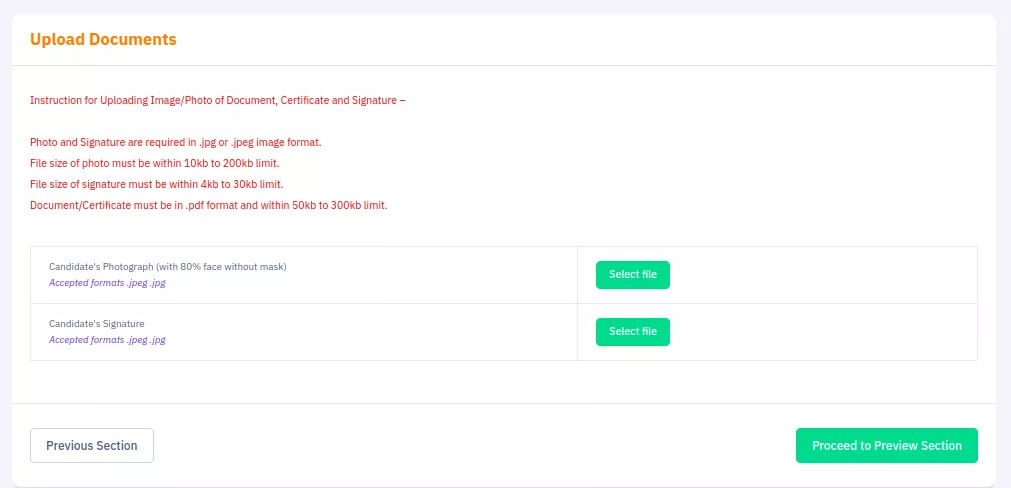
This involves uploading the documents, and proofs like the candidate’s photograph, signature, category and caste certificate, which should be of size between 50kb to 300kb. When applicants have uploaded their papers, select ‘Proceed to Preview Section.’
- Fee Payment
After submitting and rechecking the information, candidates will move to the Registration Payment Stage. You need to have all the payment-related information and select the payment gateway through which you want to make the payment. Depending on their quota and category, candidates will have to pay the required amount.
| Category | Application Fee3 subjects | Application Fee7 subjects | Application Fee for 10 subjects |
| General | Rs. 750 | 1500 | 1750 |
| SC/ ST/PwD | Rs. 650 | 1300 | 1550 |
| OBC/ EWS | Rs. 700 | 1400 | 1650 |
Phase 2 – DU Admission
After submission of the application form and selection of the subject, candidates need to appear for the CUET examination on the date specified by NTA. Follow the given admission procedure to get into Delhi University after the release of the CUET Exam result:
- Registration for DU CSAS
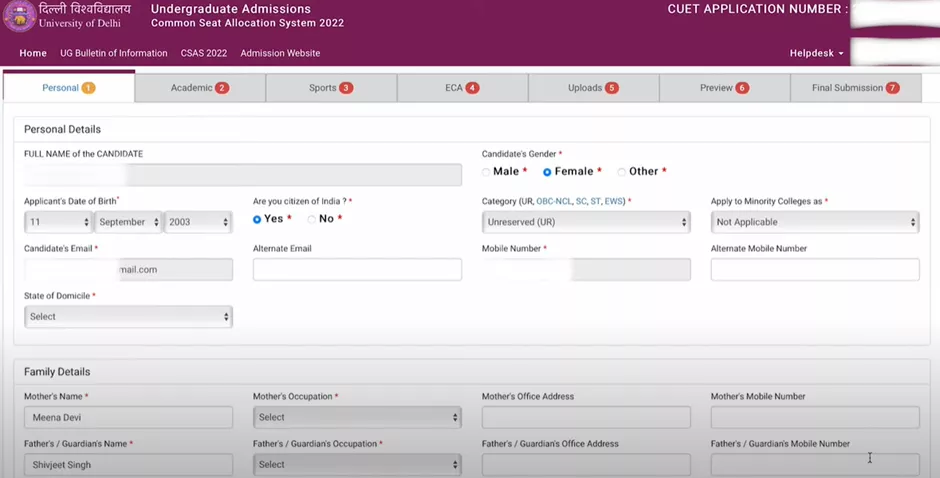
As part of the first step in phase 2 of the admission procedure of Delhi University, the students will have to register using the DU CSAS-2023 application form accessible on the common site as the Common Seat Allocation System is introduced. Enter all the required details carefully and submit the form. After submission, you need to pay a lump sum (non-refundable) payment at this stage of the admission procedure of Delhi University..
You can register on DU CSAS using the official website link.
| Category | Application Fee |
| General/OBC | Rs. 250 |
| SC/ ST/PwD | Rs. 100 |
- Submission of Preferred Colleges and Programs
After registration on the CSAS Portal, students now need to submit their preference of colleges, out of the total number of colleges available in Delhi University, based on the subjects they opted for in the CUET Exam. This preference list would be used by the University for allotting colleges and courses based on ranks and marks scored in CUET.
- Go to the program area after logging into the CSAS site.
- Choose all of your preferred UG programs.
- You can choose whatever programs you want to be accepted to.
It is suggested that students choose as many programs as they can and select the most programs and program+college combinations possible to open various opportunities for them to increase their chances of admission to DU. After the submission of the preference list, the University will release a tentative allotment list.
- Simulated List of Tentative Allocation
The University of Delhi releases a tentative allocation list of colleges and programs based on the CUET scores and the preference list submitted by the students. The candidates’ dashboards display the simulated standings. The list is released after the first (submitting the application form) and second (filling out the college-course preferences) phases of the admission procedure of DU. Students have one last chance to alter their preference list if they want.
- Admission counselling
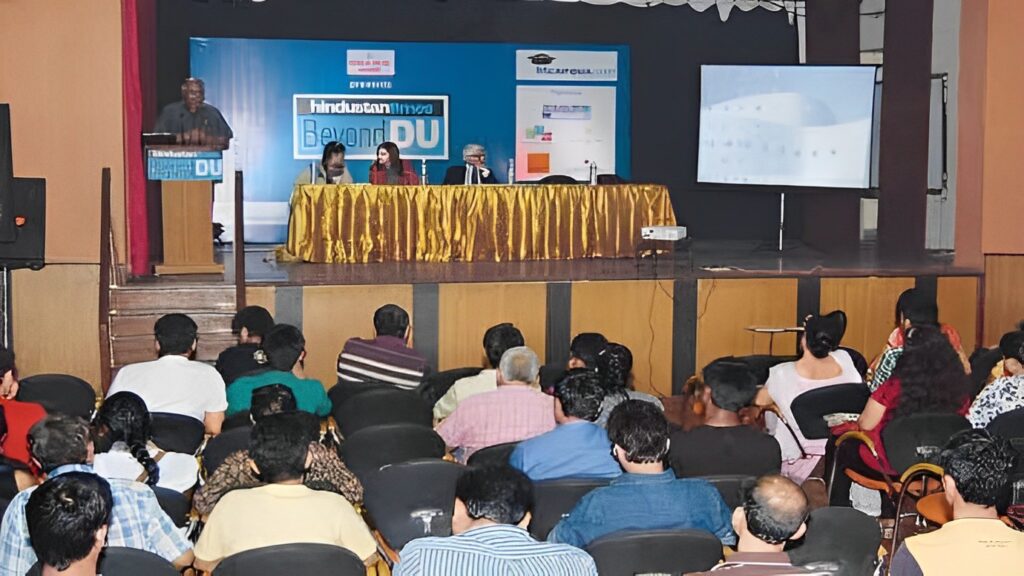
As the CUET results are released, Delhi University will start offering online counselling to help you out through the admission procedure of DU. Applicants will have a choice of colleges, and those colleges will be allotted to them depending on their academic performance and fulfilment of the cutoff percentage required for DU. Before each counselling session, candidates will have an opportunity to update their selections.
There will be three counselling sessions, with the third being a spot session. In addition to all of this, a help desk and several webinars will be offered to assist applicants with the whole admission process of Delhi University. Kindly note, the counselling sessions will be provided to only those candidates who have registered for the counselling procedure in the DU admission procedure.
- Release of CSAS Allotment Lists
After incorporating the corrections in the preference list of the candidates, the University of Delhi releases the first allotment list. Candidates can access and download the allotment list from the official website of the University of Delhi.
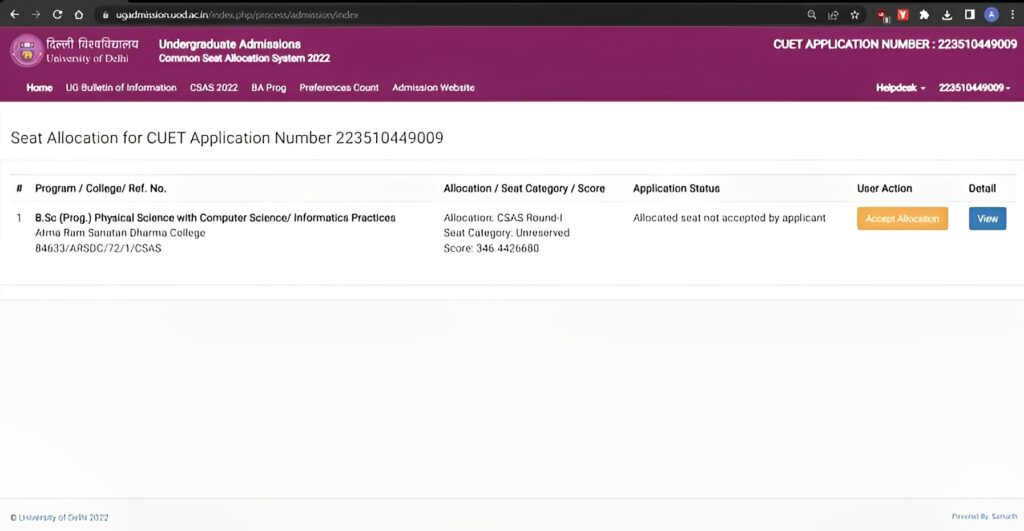
Students registered on the DU admission portal have the option to either accept the allotted seats and submit the documents for verification by their respective colleges or reject the allotted seats and wait for the next allotment list. In case of acceptance, their respective colleges verify and approve the online applications, and then the students are required to deposit the fees.
The rest of the candidates, who were not allotted any seats in the first list or did not accept their seat, can get admission in DU by accepting the seats allotted in the 2nd, the 3rd, or any other consecutive list. Candidates who have got their seats approved and paid the admission fees can also upgrade their seats in subsequent rounds of the admission procedure of Delhi University.
DU Admission Eligibility Criteria
There is no upper age limit for candidates to apply to take the CUET (UG) in 2023. The CUET (UG) – 2023 test is open to all applicants, regardless of age, who have passed the class 12 or equivalent exam, or who are scheduled to take it. Nonetheless, the applicants must meet the age requirements (if any) of the university, institution, or organisation where they wish to enrol.
If a candidate fulfils the criteria for the percentage required in DU admission, s/he shall get admission to his/her preferred college/department.
Common Minimum Eligibility
As notified by the Delhi University Bulletin of Information, the candidate must have passed Class XII or its equivalent examination from a single recognized board to be eligible for applying in the admission process of Delhi University.
Only one board’s mark sheet or degree will be taken into consideration for determining the Minimum Eligibility for the admission procedure. For instance, if a candidate had taken five subjects in the CBSE Board Exam but not mathematics and then took and passed the mathematics exam from a different board, like the National Institute of Open Schooling (NIOS), the Minimum Eligibility would only be determined by his/her mark sheet from the CBSE.
Program-Specific Eligibility
Different programs at Delhi University have different eligibility criteria in terms of subject selection. For more detailed information, refer to the Bulletin of Information by the University of Delhi.
List of Languages and Domain-Specific Courses for Admission to Undergraduate Programs at the University of Delhi in CUET (UG) – 2023 is given below:
List A: Languages of CUET Sections 1A and 1B (UG) to 2023
Candidates must appear in at least one language from the following
| Arabic | Gujarati | Manipuri | Sindhi |
| Assamese | Hindi | Marathi | Spanish |
| Bengali | Italian | Nepali | Tamil |
| Bodo | Japanese | Odia | Telugu |
| Chinese | Kannada | Persian | Tibetan |
| Dogri | Kashmiri | Punjabi | Urdu |
| English | Konkani | Russian | |
| French | Maithili | German | |
| Santhali | Sanskrit | Malayalam |
List B: Lists B1 and B2 have been created for the domain-specific subjects that are stated in Section II of the CUET (UG) – 2023. The candidate must consult the Program-Specific Eligibility while deciding the topics to take for the CUET (UG) – 2023.
List B1
| Accountancy |
| Anthropology |
| Biology / Biological Studies / Biotechnology / Biochemistry |
| Business Studies |
| Chemistry |
| Computer Science / Informatics Practices |
| Economics / Business Economics |
| Environmental Studies |
| Geography / Geology |
| History |
| Home Science |
| Legal Studies |
| Mathematics |
| Physics |
| Political Science |
| Psychology |
| Sanskrit |
| Sociology |
List B2
| Agriculture |
| Engineering Graphics |
| Entrepreneurship |
| Fine Arts / Visual Arts / Painting / Sculpture |
| Knowledge Tradition and Practices Of India |
| Mass Media / Mass Communication |
| Performing Arts |
| Physical Education / NCC / Yoga |
| Teaching Aptitude |
| B.A. (Hons.) Applied Psychology |
| Applicants must take the CUET in the following subject combinations if they want to be considered for the B.A. (Hons.) Applied Psychology programme: Any one of the two topics from List B1 + Any one of the languages from List A + Any one of the subjects from List B1 or List B2. |
| B.A. (Hons.) Psychology |
| Applicants who choose to pursue a B.A. (Hons.) in psychology must take the following subject combinations in CUET: Any one of the two topics from List B1 + Any one of the languages from List A + Any one of the subjects from either List. |
| B.A. (Hons.) Economics |
| Applicants who choose to pursue a B.A. (Hons.) in economics must take the following subject combinations in CUET: Any one of the two topics, one of which should be from List B1 + Any one of the languages from List A + Mathematics or Applied Mathematics. |
| B.A. (Hons.) Geography |
| Applicants must take the CUET in the following subject combinations if they want to be considered for B.A. (Hons.) Geography: Any language from List A + Any two topics from List B1 + Any one subject from either List B1 or List B2 + Any language from List A. |
| B.A. (Hons.) History |
| Applicants who choose to pursue a B.A. (Hons.) in history must take the CUET with the following mix of subjects: Any language from List A + Any two topics from List B1 + Any one subject from either List B1 or List B2 + Any language from List A. |
| B.A. (Hons.) Journalism |
| Applicants must take the CUET with any of the following subject combinations if they want to pursue a B.A. (Hons.) in journalism: Combination I: Choose one topic from either List B1 or List B2 + English from List A + Any two subjects from List B1.ORCombination II: Section III of the CUET (General Test) + English from List A . |
| B.A. (Hons.) Philosophy |
| Applicants who choose to pursue a B.A. (Hons.) in philosophy must take the following subject combinations in CUET: Any one of the two topics from List B1 + Any one of the languages from List A + Any one of the subjects from List B1 or List B2. |
| B.A. (Hons.) Political Science |
| Applicants who choose to pursue a B.A. (Hons.) in political science must take the following subjects together on the CUET: Any one of the two topics from List B1 + Any one of the languages from List A + Any one of the subjects from List B1 or List B2. |
| B.A. (Program) |
| Applicants must take the CUET in one of the following subject combinations if they want to choose the B.A. (Program) option: Combination I: Any one of the languages from List A + Any two topics from List B1 + Any one of the subjects from List B1 or List B2.ORCombination II: Any language from List A with any topic from List B1 or List B2 + Section III of CUET (General Test). |
| B.Sc. (Hons.) Anthropology |
| Applicants who choose to pursue a B.Sc. (Hons.) Anthropology must register for the CUET with the following combination of subjects: Physics + Chemistry + Biology / Biological Studies / Biotechnology / Biochemistry. Merit will be determined only by the CUET results derived from the previously indicated mix of subjects. Applicants must have received a CUET score of at least 30% in any language from List A. |
| B.Sc. (Hons.) Botany |
| Applicants who choose to pursue a B.Sc. (Hons.) Botany must register for the CUET with the following combination of subjects: Physics + Chemistry + Biology / Biological Studies / Biotechnology / Biochemistry. Merit will be determined only by the CUET results derived from the previously indicated mix of subjects. Applicants must have received a CUET score of at least 30% in any language from List A. |
| B.Sc. (Hons.) Zoology |
| Applicants who choose to pursue a B.Sc. (Hons.) Zoology must register for the CUET with the following combination of subjects: Physics + Chemistry + Biology / Biological Studies / Biotechnology / Biochemistry. Merit will be determined only by the CUET results derived from the previously indicated mix of subjects. Applicants must have received a CUET score of at least 30% in any language from List A. |
| B.Sc. (Hons.) Chemistry |
| Applicants who choose to pursue a B.Sc. (Hons.) in chemistry must take the following combination of subjects in the CUET: Physics + Chemistry + Mathematics / Applied Mathematics. Merit will be determined only by the CUET results derived from the previously indicated mix of individuals. Applicants must have received a CUET score of at least 30% in any language from List A. |
| B.Sc. (Hons.) Physics |
| Applicants who choose to pursue a B.Sc. (Hons.) Physics must take the following combination of subjects in the CUET: Physics + Chemistry + Mathematics / Applied Mathematics. Merit will be determined only by the CUET results derived from the previously indicated mix of individuals. Applicants must have received a CUET score of at least 30% in any language from List A. |
| B.Sc. (Hons.) Computer Science |
| Applicants must take the CUET in the following subject combinations if they want to be considered for B.Sc. (Hons.) Computer Science: Any one language from List A + Mathematics / Applied Mathematics + Any two subjects out of which one should be from List B1. Merit will be determined only by the CUET results derived from the previously indicated mix of individuals. Applicants must have received a CUET score of at least 30% in any language from List A. |
| B.Sc. (Hons.) Electronics |
| Applicants must take the CUET in one of the following subject combinations if they want to choose B.Sc. (Hons.) Electronics: Combination I: Physics + Mathematics / Applied Mathematics + Chemistry.ORCombination II: Physics + Mathematics / Applied Mathematics + Computer Science / Informatics Practices. Merit will be determined only by the CUET results derived from the previously indicated mix of individuals. Applicants must have received a CUET score of at least 30% in any language from List A. |
| B.Sc. (Hons.) Mathematics |
| The following subject combinations are required for those who desire to pursue B.Sc. (Hons.) Mathematics at CUET: Mathematics or Applied Mathematics + Any two topics, one of which should be from List B1 + Any one language from List A. |
| B.Sc (Hons.) Statistics |
| Applicants must take the CUET in the following subject combinations if they want to be considered for B.Sc. (Hons.) Statistics: Any two disciplines, one of which should be from List B1 + Any one language from List A + Mathematics / Applied mathematics. |
| B.Com. (Hons.) |
| Applicants who choose to pursue a B.Com. (Hons.) degree must take one of the CUET subject combinations listed below: Combination I: Any language from List A + Mathematics/Applied Mathematics + Any two topics, at least one of which should be from List B1.ORCombination II: Any language from List A + Book Keeping / Accountancy + Any two subjects, at least one of which should be from List B1. Merit will be determined only by the CUET results derived from the previously indicated mix of individuals. |
| B.Com. (Program) |
| Applicants must take the CUET in one of the following subject combinations if they want to choose the B.Com. (Program): Combination I: Any one of the languages from List A + Any two topics from List B1 + Any one of the subjects from List B1 or List B2.ORCombination II: Any language from List A + Any one topic from List B1 or List B2 + Section III of the CUET (General Test). Merit will be determined only by the CUET results derived from the previously indicated mix of individuals. Because the CUET Sections are not equally weighted, suitable proration will be used. |
| Bachelor of Management Studies (BMS) |
| Applicants who choose BMS must take the following subject combinations in CUET: Mathematics or Applied Mathematics + Any one language from List A + Section III of CUET (General Test). |
| Bachelor of Business Administration (Financial Investment Analysis) BBA(FIA) |
| Applicants who choose to pursue a BBA(FIA) must take the following subject combinations in CUET: Mathematics or Applied Mathematics + Any one language from List A + Section III of CUET (General Test). |
| B.A (Hons.) Business Economics |
| Applicants must take the CUET in the following subject combinations if they want to pursue a B.A. (Hons.) in business economics: Any one of the languages from List A combined with Mathematics / Applied Mathematics + Section III of the CUET (General Test). |
Course Fee of Delhi University
Fee structure at Delhi University varies a lot from one course to another, from one college to another and even from one quota/category to another. You need to first deposit the fee at the time of acceptance of the allotment of seats under CSAS in the admission procedure of Delhi University. Following are the fee structure course wise:
| Courses | Total tuition Fees |
| B.A.(1145 Courses) | INR 540 – 6.97 L(for 2-5 years) |
| B.Sc.(312 Courses) | INR 540 – 2.4 L(for 3-4 years) |
| B.Com(95 Courses) | INR 540 – 35 L(for 3-4 years) |
| B.Ed(8 Courses) | INR 9.09 K – 68.19 K(for 1 year-2 years) |
| B.A. (Hons)(17 Courses) | INR 540 – 87.73 K(for 3 years) |
The Bottom Line
Delhi University, or DU, is one of the best and most popular universities in India. It includes some of Asia’s and India’s best colleges, which have great alumni networks, exposure, and career and growth opportunities. Being full of opportunities and exposure, the university has some intense admission processes, too, so that only deserving and sincere candidates are admitted to the colleges.
As admission to Delhi University and all other Central Universities will be made through CUET, students need to know in advance the registration process for both CUET and DU CSAS and a glimpse of the admission process of Delhi University.
We hope that the article has answered all your queries and given you much insight into the evolving admission process of Delhi University.
DU Squad is the only one-stop platform on the internet providing updates about anything and everything related to the University of Delhi.
FAQs
- Is the CUET application fee to be paid before or following the application form’s completion?
Ans :After completing an online application, candidates can choose their preferred program and make an online payment. When the application form is submitted, the application fee must be paid.
- What are the most typical reasons for terminating a CUET application’s candidature?
Ans : The most frequent reasons for a candidate’s candidature to be withdrawn are the inability to satisfy the basic eligibility requirements, forged papers, or withholding of information.
- Is it required to finish the CUET application form all at once?
Ans : No, applicants may begin completing the CUET application form and return to it later to complete it.
- If the CUET application form has already been submitted, may it be changed or revised?
Ans : The CUET application correction window will be made available by the National Testing Agency (NTA), where applicants can make any necessary alterations or changes until May.